





Cost Of Apartment In Germany
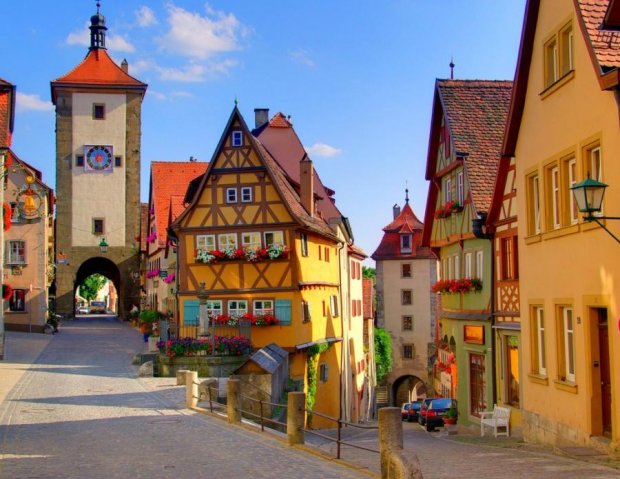
Negative rates not only dramatically reduce the profitability of banks, but also force individuals to withdraw funds and find new sources of income. Germans now invest in gold or risk buying stock and bonds, but most return to a reliable and proven source, a real estate market. Bundesbank economists have been claiming a bubble in recent years.
" The prices of the real estate market in the capital region have risen sharply in recent years, citing Spiegel as a member of the board of Bundesbank Andreas Dombreth.- This may lead to the formation of a bubble real estate market. " The bank assesses the overestimation of the real estate market of the FWG of 25 per cent.
According to the leading German business publication Handelsblatt, real estate prices in some regions and cities of the FWG are doubled every few years. In Munich, prices for houses and apartments have increased by more than 60 per cent since 2007. Rental costs for the same period increased by 40 per cent.
The cost of housing in Berlin, which increases by about 40,000 annually, increased on average, according to CBRE, almost doubled from 2009. In Bundesbank, about 20 per cent of this increase was considered to have been negative. According to the Empirica study, housing prices in the seven largest cities of the FWG increased by 31.5 per cent in 2015.
For years, Germans chose not to buy, but to rent housing. Even now, in the middle of the boom on the real estate market, only 53 per cent of Germans live in their apartments and homes. It's not only on the continent, but on the planet, I guess. In the European Union, the average number of homeowners is 71 per cent and in the United States, 65 per cent of Americans have their homes.